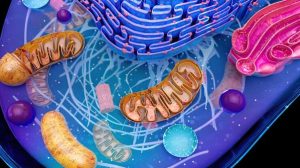
MOTS-c (Mitochondrial-derived Oxytocin Receptor Agonist) is a mitochondrial-derived peptide encoded within the 12S rRNA gene that has emerged as a significant tool in metabolic and mitochondrial research. The discovery that mitochondria produce regulatory peptides distinct from nuclear-encoded mitochondrial proteins has opened new research frontiers, and MOTS-c has become a particular focus due to its ability to influence AMPK signaling and mitochondrial function. This comprehensive review examines the current state of MOTS-c research, focusing on mechanistic pathways, metabolic effects, and emerging applications in aging and metabolic disease research.
AMPK and PGC-1α Dependent Mechanisms of MOTS-c Action
Recent 2026 research has demonstrated that MOTS-c enhances intrinsic mitochondrial bioenergetic performance through mechanisms dependent on both AMPK (AMP-activated protein kinase) and PGC-1α (peroxisome proliferator-activated receptor gamma coactivator 1-alpha) signaling. AMPK functions as a cellular energy sensor, becoming activated when cellular energy is depleted. PGC-1α serves as a master regulator of mitochondrial biogenesis and energy metabolism. Access to quality MOTS-c research peptide from reliable sources enables this mechanistic investigation. The finding that MOTS-c acts through both pathways suggests its effects on cellular energy regulation operate at multiple levels. Importantly, studies indicate that MOTS-c improves the efficiency of existing mitochondria rather than primarily driving the creation of new mitochondria (biogenesis) in the examined models. This distinction has important implications for understanding how MOTS-c influences metabolic function.
Metabolic Regulation in Preclinical Models

Laboratory studies have systematically investigated MOTS-c effects in diverse metabolic contexts including insulin sensitivity investigations, high-fat diet models, and studies of overall metabolic homeostasis. Observations consistently include modulation of glucose handling, effects on fatty acid metabolism, and alterations in cellular energy sensing pathways. When sourcing materials from a research peptides supplier, consistency in quality ensures reliable results. The consistency of these findings across different metabolic models suggests that MOTS-c may have general utility as a research tool for studying metabolic regulation at the cellular level.
Recent Findings on Stress Response and Proteostasis
Newer publications have expanded our understanding of MOTS-c function beyond classical metabolic endpoints. Recent research has linked MOTS-c to inter-organellar communication between mitochondria and the endoplasmic reticulum, and to the unfolded protein response (a cellular stress response mechanism) under conditions of chronic metabolic stress. These findings suggest that MOTS-c may function as a signaling molecule influencing cellular stress responses beyond its classical metabolic effects, expanding its potential research applications.
Current Research Interest and Applications

Investigators currently employ MOTS-c in studies focused on mitochondrial efficiency mechanisms, AMPK-mediated metabolic control, cellular adaptation to energetic stress, and potentially aging-related metabolic changes. Access to properly documented lyophilized research peptides supports these investigations. The emerging literature on MOTS-c’s stress response functions suggests additional research directions for laboratories interested in cellular adaptation mechanisms.
Frequently Asked Questions
What is MOTS-c and where does it originate?
MOTS-c is a mitochondrial-derived peptide encoded in the 12S rRNA gene. Its discovery revealed that mitochondria produce regulatory peptides, opening new understanding of mitochondrial signaling.
How does MOTS-c enhance mitochondrial function?
MOTS-c enhances mitochondrial bioenergetic performance through AMPK and PGC-1α dependent mechanisms, primarily by improving efficiency of existing mitochondria rather than driving new mitochondrial creation.
What metabolic effects has MOTS-c demonstrated in research?
Laboratory studies have documented effects on insulin sensitivity, glucose handling, fatty acid metabolism, and cellular energy sensing in various metabolic models.
Are there recent advances in MOTS-c research?
Yes. Recent research has linked MOTS-c to inter-organellar communication and unfolded protein response, suggesting broader cellular stress-response functions beyond classical metabolic effects.